If you keep losing Block Blast at roughly the same score every time, the problem almost certainly isn't luck. It's the shape of your board a dozen moves before the game ends, not the piece that finally kills you.
Most players trace their loss back to the piece they couldn't place. But that piece was never the real problem it's just where the problem became visible. The actual mistake usually happened five to ten moves earlier, when a corner or a column got filled in a way that quietly removed your future options. This guide walks through why that happens, how to stop doing it, and how a Block Blast Solver can show you the moment it goes wrong on your own boards.
Why Most Players Lose at Block Blast
Picture a board where the bottom two rows are packed solid except for a single empty column running up the middle call it the corkscrew board, because the only piece that fits anywhere is a vertical 3- or 4-tall bar. That column got created early, probably three or four turns back, by a player who cleared whatever line was easiest in the moment rather than watching what shape was left behind. Once that empty column exists, every piece except a vertical bar becomes unplaceable, and the game is effectively over even though the board still looks half-open.
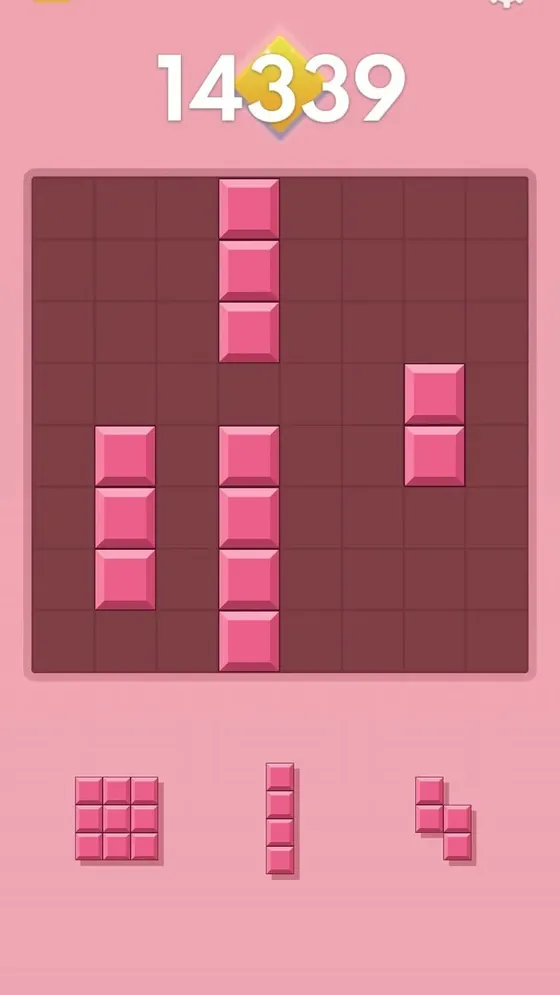
That's the core mistake: reacting to what clears right now instead of what the board will look like two pieces from now. Filling corners early, packing space that a large piece will need later, and chasing quick line clears all do the same thing they trade a small short-term win for a board that can only accept one or two piece shapes going forward.
Best Block Blast Strategy for Beginners
Keep the Board Open
Early on, resist the pull to clear lines the instant you can. A flat, open center gives you room to place almost any shape that comes up, while a board that's already lumpy in three or four places starts rejecting pieces long before it looks full. Think of open space as a resource you're spending, not something you get back every placement should leave the board at least as flexible as it was before, not more cramped.
Avoid Early Corner Blocking
Corners are the most expensive real estate on the board because they can only be reached from two directions instead of four. A single-square piece dropped into a corner in the first minute of a game can sit there limiting your options for the entire match. Skilled players will actively route pieces around corners and leave them for last, even if it means a slightly less efficient placement in the moment.
Advanced Block Blast Techniques
Planning Two Moves Ahead
The single biggest jump in skill comes from changing the question you ask before every placement. Instead of "what clears right now," ask "what does the board look like after this, and can I still place the next two pieces I can see in the tray." That second question is harder to answer, but it's the one that actually prevents dead boards. For a sense of what scores this mindset produces over a full session, see the Block Blast High Score guide.
Using Large Blocks Correctly
Large pieces the 3x3 square, the long 5-bar are the hardest to place and the first thing a cluttered board loses room for. Rather than placing small pieces wherever they fit and hoping space survives for the big ones, reserve a section of the board (a full row, or an open 3x3 corner) specifically for them. If you find yourself with a large piece and nowhere to put it, that's usually a sign the last two or three placements were made too casually.
How to Beat Block Blast When You're Stuck
A board with limited safe moves scattered single squares in one color blocking three or four cells each, with the only real opening a narrow 3-wide gap is what "stuck" actually looks like in practice. You've run out of safe placements, and the board has become uneven enough that almost every remaining piece shape either doesn't fit or forces you into an even worse position.
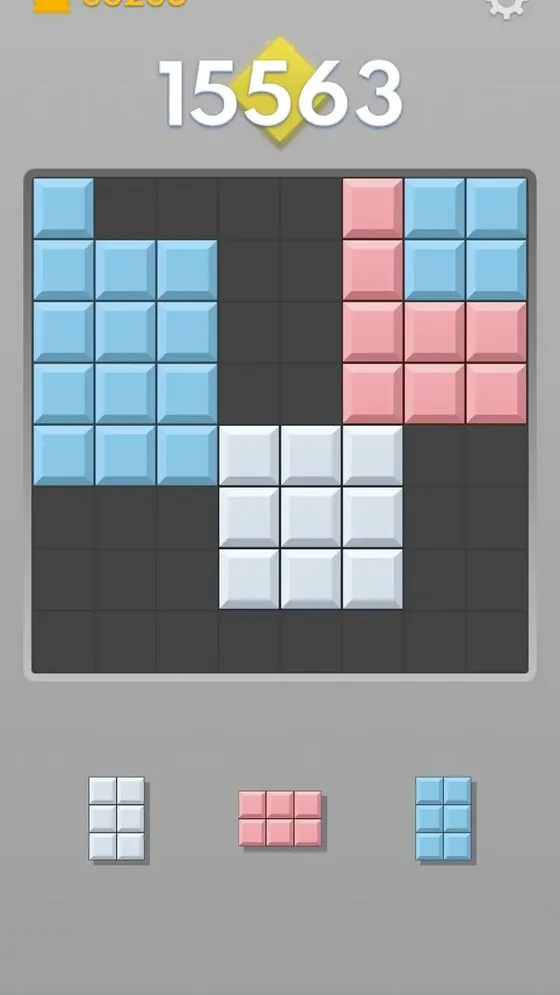
Guessing at this point usually makes it worse, since a wrong placement can close the one gap that was still keeping you alive. This is exactly where a Block Blast Solver earns its place in your workflow not to play the game for you, but to test a placement safely before you commit to it, and to show you why a move that looks fine actually isn't.
How to Get Better at Block Blast Consistently
Improvement here works the same way it does in most spatial games: you get better by studying the boards where you lost, not by playing more rounds on autopilot. Take a board where you got stuck, note the exact turn where the trouble started, and ask what you would place differently knowing what came after. Advanced players do this deliberately they'll replay a difficult board section by section to find the specific placement that boxed them in, rather than shrugging it off as bad luck.
Do Top Players Analyze Their Boards?
Yes, and deliberately rather than casually. Strong players study board logic, practice recognizing dangerous shapes (like the corkscrew column above) before they fully form, and work to avoid repeating the same mistake across sessions. Some use a solver as a study tool during practice runs specifically to catch the moment a board starts narrowing, rather than only reaching for it once they're already stuck. The solver doesn't replace that skill it just makes the feedback loop faster while you're building it.
Frequently Asked Questions About Block Blast Strategy
What Is the Best Block Blast Strategy?
Board control comes before speed. Watch what shape your board is left in after each placement, not just whether it cleared a line, and keep the center and at least one large open zone free for as long as you can.
How Do You Win Block Blast?
By treating every placement as a trade-off between the immediate clear and the flexibility it costs you, and consistently choosing the option that leaves more shapes playable next turn.
Can Anyone Get Better at Block Blast?
Yes. It rewards pattern recognition more than reflexes, so reviewing your own stuck boards and understanding exactly where they went wrong improves your average score faster than simply playing more rounds.
Practice Smarter With Block Blast Solver
If you want to stop guessing at risky placements and start seeing exactly why a board is closing in, practice using the Block Blast Solver to analyze your board before committing to a move it's the fastest way to turn a losing board into a lesson instead of just a lost game.
Practice using our puzzle game → apply strategies in real gameplay